
Opera 101: How to Dress for the Opera
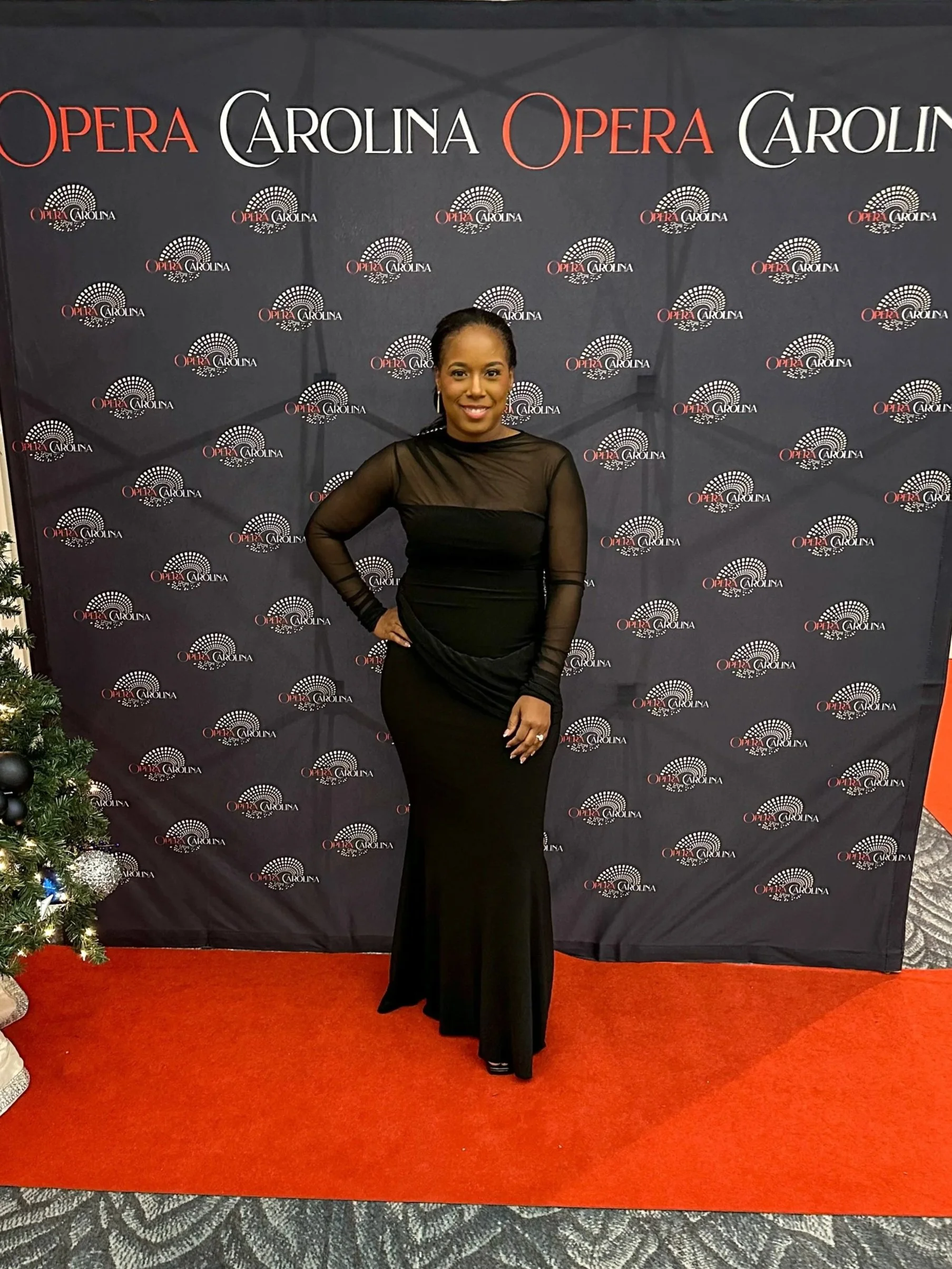
There aren’t many clear guides on what to wear to the opera, and I’ve noticed this question comes up often — especially for first‑timers. While many opera houses will say, “wear what you’re comfortable in,” the truth is this: the opera is one of the few remaining spaces where dressing up is part of the experience.
Think of it as a moment to step into intention, elegance, and presence — not pressure.
Lately, I began attending the opera with Opera Carolina, and being in those spaces — surrounded by art, intention, and creativity — reminded me how powerful it is to place yourself in rooms where inspiration flows freely. The opera became more than an evening out; it became a moment to slow down, observe, and appreciate beauty in its highest form.
Each experience reinforced how style and presence are deeply connected. Dressing with intention in these moments isn’t about impressing anyone — it’s about honoring the space, the art, and the version of yourself you’re becoming. Sometimes, simply saying yes to new environments invites alignment, connection, and unexpected growth.
Why Opera Style Matters
The opera is theatrical by nature. It’s art, storytelling, music, and history all wrapped into one evening. Your outfit doesn’t need to compete with the stage, but it should respect the moment. Dressing thoughtfully enhances the experience — it signals care, confidence, and awareness of the space you’re entering.
Consider the Type of Opera
Not all operas feel the same, and your outfit can reflect that.
Classic or Traditional Opera
For productions rooted in tradition, lean timeless and refined.
Floor‑length gowns, cocktail dresses, or elegant midi dresses
Well‑tailored suits or tuxedos
Structured silhouettes, elevated fabrics, minimal but intentional accessories
Modern or Contemporary Opera
These performances allow more creativity.
Statement pieces, artistic textures, or bold silhouettes
Fashion‑forward suits, jumpsuits, or dramatic dresses
Thoughtful color choices and expressive details
Time and Setting Matter
Weekend Evening Performances
This is your cue to dress more formal than casual. Even if black tie isn’t required, evening operas naturally invite elevated looks.
Matinee or Afternoon Performances
Polished and professional works beautifully here.
Tailored trousers and blouses
Midi dresses, chic knits, or structured separates
Elegant flats or low heels
When You’re Unsure
When in doubt, choose a classic foundation.
A little black dress or a neutral midi
A well‑fitted suit in black, navy, or charcoal
Clean lines, intentional tailoring, and refined accessories
Timeless always translates well in opera spaces.
Accessories & Finishing Touches
Keep jewelry intentional rather than excessive
Opt for structured handbags or elegant clutches
Choose shoes that balance beauty and comfort — opera evenings can be long
Quick, Foolproof Formula
If you want a no‑stress approach, use this:
Elevated base + refined tailoring + one statement detail
That statement could be your coat, earrings, shoes, or fabric choice.
Final Thought
Yes, you can wear what you’re comfortable in — but the opera is a rare opportunity to step into elegance on purpose. Dressing up isn’t about rules; it’s about honoring the experience, the art, and yourself.
When you dress with intention, you don’t just attend the opera — you arrive.
